
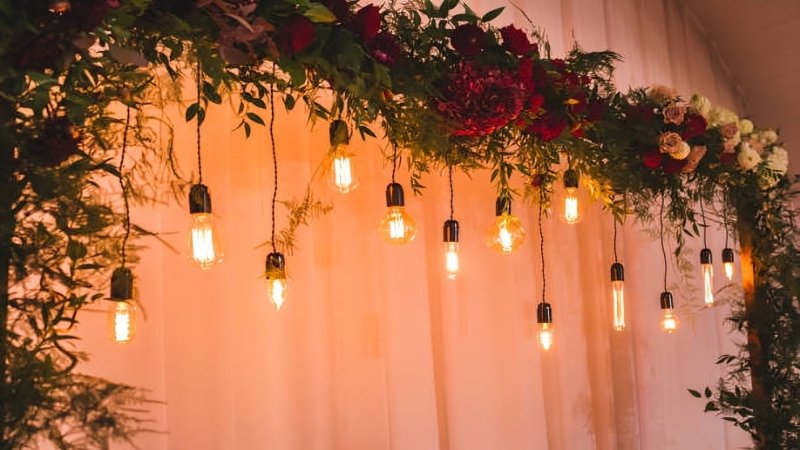
Floral design relies on clear coordination between flowers, light, and spatial structure. Roses, lilies, hydrangeas, and tulips contribute distinct forms that shape composition and visual balance. A structured approach improves clarity and strengthens the overall presentation of each arrangement.
Well-crafted fresh flower arrangements rely on lighting, space, and color to highlight each flower’s distinct characteristics. Roses show layered depth under soft light, while lilies require space for clear visibility. Hydrangeas add volume, and tulips guide directional flow.
Lighting Shapes the Visual Appeal of Floral Designs
Lighting plays a critical role in how flowers display their natural textures and colors. Soft natural light allows roses and peonies to reveal subtle tonal variations within their petals. Strong direct light enhances sunflowers and highlights their bold central structure.
Delicate blooms like ranunculus may lose softness under harsh light conditions. White lilies reflect light clearly and create a clean visual appearance. Indoor lighting maintains consistent color visibility across different arrangements.
Spatial Balance Defines Arrangement Structure
A well-planned spatial layout ensures each flower holds a clear and defined position within the arrangement. Hydrangeas need space due to dense blooms, while tulips require alignment to guide direction. Roses serve as focal points, and fillers such as baby’s breath maintain spacing and prevent crowding.
Placement Guides Visual Harmony Within Arrangements
A clear placement strategy creates a smooth visual path across the arrangement without disrupting balance. Roses draw attention when placed slightly higher, while lilies need side placement for full visibility. Orchids along edges add graceful lines.
Proportion Establishes Order and Symmetry Across Designs
Balanced proportion ensures large blooms and smaller accents work together without visual imbalance. Peonies and hydrangeas pair with smaller flowers like wax flowers, while equal distribution prevents dominance. Tulips, roses, and fillers align proportionally to maintain structure.
Color Selection Directs Emotional Response and Style
Color choices influence how flowers interact and shape the arrangement’s visual identity. Red roses create strong emphasis, while white daisies introduce softness and clarity. Yellow tulips add brightness, which complements neutral filler flowers within the design.
Purple irises provide depth when paired with lighter blooms such as lisianthus. A consistent color palette ensures that each shade supports the overall composition. Precise color selection maintains harmony and supports a clear visual theme.
Light and Color Work Together to Enhance Floral Depth
Light and color interact closely, shaping how each flower appears within an arrangement. Balanced lighting preserves natural tones in roses, lilies, and carnations, while controlled illumination maintains depth in layered blooms like ranunculus.
Natural Light Highlights True Floral Shades
Natural light reveals true flower colors without distortion across different floral arrangements. White lilies and peach roses appear refined under soft daylight, while pale hydrangeas show subtle tonal variations. Even exposure maintains accurate color clarity across all floral elements.
Artificial Light Alters Perception of Floral Tones
Artificial light changes how colors appear across different flower types within indoor floral arrangements. Warm light softens the tone of red roses, while cool light sharpens purple irises. Proper light selection maintains accurate color balance and supports the intended visual effect.
Design Consistency Maintains Cohesion Across Arrangements
Consistency ensures that all flowers follow a unified design structure within the arrangement. Flowers must align with the overall concept to maintain clarity. Repeated color tones and balanced spacing create a cohesive and polished presentation.
Each flower supports the design without disrupting visual harmony or structure. Clear planning ensures that every element contributes to the final composition. Consistency preserves the arrangement and maintains its refined appearance.
A well-structured floral arrangement depends on precise coordination between lighting, space, and color. Carefully arranged fresh flower arrangements achieve clarity when each flower receives proper placement and balanced illumination. Apply these principles to create elegant designs with strong structure and visual harmony. Attention to each detail ensures a consistent and refined floral presentation.

Malik Bilal is a business strategist and Editor at Outstanders, specializing in business, technology, health, and general-interest content. With more than 4 years of experience in business and technology writing, he creates insightful, research-backed articles designed to educate, inform, and inspire readers. His expertise lies in breaking down complex topics into clear, actionable content while maintaining high editorial standards, accuracy, and trustworthiness.