Arizona homes face a set of challenges that most renovation guides don’t account for. Intense UV exposure, extreme heat cycles, and the occasional monsoon demand materials and design decisions built for this climate. Getting those choices right from the start saves significant time, money, and frustration.
Understanding What the Desert Actually Does to a Home
The desert environment is relentless in ways that aren’t always obvious until damage appears. Temperatures in the Phoenix metro and surrounding areas can swing dramatically between day and night, causing building materials to expand and contract repeatedly over the years. Thermal stress is one of the leading causes of cracking in stucco, tile grout, and exterior caulking. And most homeowners don’t see it coming.
UV radiation compounds the problem. Arizona receives more annual sunshine than almost anywhere else in the country, and that exposure degrades paint, fades flooring, and breaks down roofing materials faster than manufacturers’ ratings suggest. Those ratings are often based on average national conditions. Not the Sonoran Desert.
Moisture is the third factor, and it surprises newcomers. The monsoon season brings intense, short bursts of rain that can overwhelm drainage systems designed for gentler climates. Water intrusion during monsoon events is a common source of interior damage, particularly around windows, doors, and flat or low-slope roof sections.
Roofing: The Most Critical Decision You’ll Make
No single renovation decision carries more weight in an Arizona home than the roof. It bears the full burden of sun, heat, and storm impact year after year.
Material Selection
Concrete and clay tile remain the dominant choices across Arizona, and for good reason. They handle thermal cycling well, resist UV degradation, and carry lifespans that far exceed asphalt shingles in this climate. Asphalt shingles are rated for hot climates but tend to deteriorate faster here than manufacturers project. If budget is a constraint, a high-quality modified bitumen or cool-roof coating on a flat roof section can perform well when installed correctly.
Metal roofing has grown in popularity, particularly standing seam profiles. It reflects heat, handles expansion without cracking, and requires minimal maintenance over its lifespan. The upfront cost is higher, but the long-term performance in desert conditions justifies the investment for many homeowners.
Ventilation and Insulation Beneath the Roof
The material on top matters, but what sits beneath it matters just as much. Proper attic ventilation prevents heat from building up to levels that accelerate roofing material breakdown from below. Radiant barriers installed under the roof deck reflect heat before it enters the attic space. Combined with adequate insulation, this layered approach keeps cooling costs manageable and protects the structure itself.
Exterior Finishes That Hold Up to Sun and Heat
Choosing exterior finishes in Arizona means prioritizing durability, though that doesn’t mean sacrificing how a home looks.
Stucco is the classic Arizona exterior finish, and it earns that status. Applied correctly over a properly prepared substrate, it handles the climate well and offers good thermal mass. The critical detail is the paint or coating applied over it. Standard exterior latex paint fades and chalks quickly under intense UV. Elastomeric coatings provide better adhesion, flexibility during thermal cycling, and longer color retention. They cost more per gallon but cover fewer square feet, and the performance difference becomes obvious within a few years.
Wood trim and siding require serious thought before use on Arizona exteriors. Without diligent maintenance, wood dries, cracks, and deteriorates quickly. Fiber cement or composite trim products handle the climate with far less upkeep and hold paint longer.
Windows are part of the exterior envelope and deserve the same scrutiny. Low-E glass with a solar heat gain coefficient rating appropriate for hot climates blocks infrared radiation while maintaining natural light. Properly specified windows reduce cooling loads noticeably and protect interior furnishings from UV fading.
Interior Design Choices That Work With the Climate
Smart interior decisions follow the same logic as exterior ones: work with the desert environment rather than against it.
Flooring is a clear example. Carpet traps heat and struggles with the dry air that dominates most of the year. Tile and polished concrete stay cooler underfoot, clean easily, and handle low humidity without warping or cracking the way wood can. Wide-plank hardwood and engineered wood can work in conditioned spaces, but they require careful acclimation and humidity management to perform well long-term.
Color palettes in Arizona homes often skew toward warm neutrals and earth tones, which makes visual sense given the landscape. Lighter interior colors also reflect natural light and can reduce reliance on artificial lighting during the day. In rooms with significant south- or west-facing window exposure, strategic shading, whether through interior shades, exterior overhangs, or both, prevents afternoon heat gain from overwhelming the cooling system.
Storage decisions benefit from climate awareness too, particularly in kitchen renovation projects where pantry organization and conditioned storage can improve both functionality and food preservation.Garages in Arizona reach punishing temperatures, making them poor environments for anything heat-sensitive. Designing adequate conditioned storage inside the home, or investing in insulated garage solutions, protects belongings and spares homeowners the frustration of finding warped or melted items come July.
Landscaping and Outdoor Living as Part of the Renovation Plan
Renovations in Arizona rarely stop at the walls. Outdoor living spaces extend the usable area of a home considerably, and the desert landscape itself becomes part of the design.
Thoughtful landscaping directly affects a home’s thermal performance. Strategic tree placement on the south and west sides provides shade during the hottest parts of the day, cutting cooling loads without blocking winter sun. Native and desert-adapted plants reduce water demand and maintenance while providing the visual texture that makes outdoor spaces feel intentional rather than neglected.
Outdoor living areas work best in Arizona when they address shade and airflow directly:
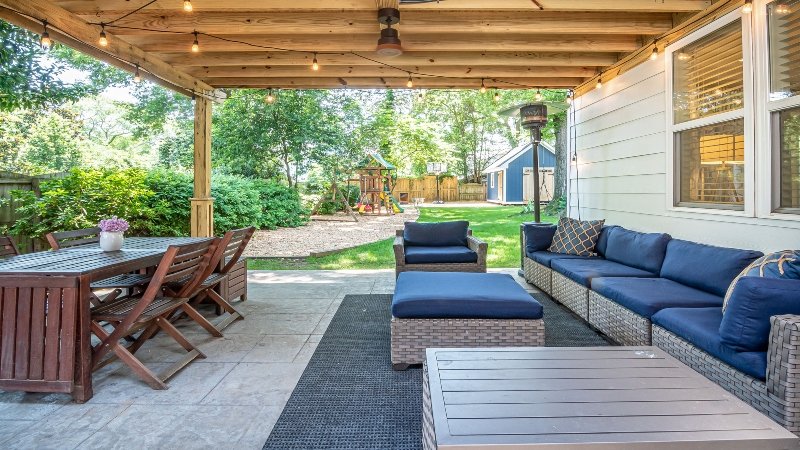
- Covered patios with deep overhangs block direct sun while allowing air movement
- Ceiling fans in covered outdoor spaces extend comfortable hours into the afternoon
- Misters add evaporative cooling during dry heat periods before monsoon humidity arrives
- Light-colored hardscape materials reflect less heat than dark pavers or concrete
- Shade sails or pergolas with open-weave covers provide flexible coverage options
Pool decking and patio surfaces deserve the same material scrutiny as interior flooring. Light-colored travertine and certain concrete finishes stay cooler underfoot than dark materials, which matters when surfaces bake in direct sun for hours at a stretch.
Where to Start With an Arizona Renovation
The most common mistake Arizona homeowners make is applying renovation logic developed for milder climates. A contractor or designer experienced in desert construction brings a different set of instincts to material selection, detailing, and sequencing.
Start with the building envelope: roof, exterior walls, and windows. These elements determine how hard the mechanical systems have to work and how quickly interior finishes degrade. Get them right, and every subsequent decision becomes easier.
But also work with the climate’s rhythms rather than treating them as obstacles. The desert offers long stretches of beautiful weather, dramatic light, and outdoor living opportunities that most climates can’t match. Renovations designed around those realities produce homes that are genuinely comfortable, durable, and connected to the place they sit in.

Malik Bilal is a business strategist and Editor at Outstanders, specializing in business, technology, health, and general-interest content. With more than 4 years of experience in business and technology writing, he creates insightful, research-backed articles designed to educate, inform, and inspire readers. His expertise lies in breaking down complex topics into clear, actionable content while maintaining high editorial standards, accuracy, and trustworthiness.