
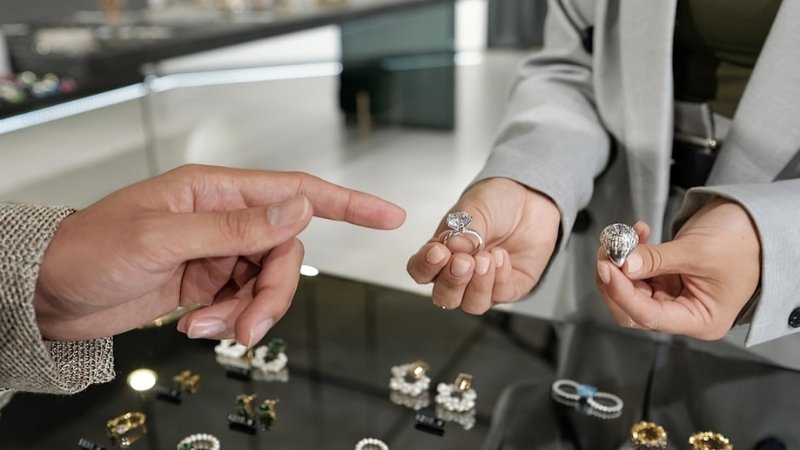
Arizona is not the first place that comes to mind when people think about fine jewelry markets. But the state’s distinct way of life, from its outdoor culture to its growing urban centers, is quietly driving a shift in how and why people buy diamonds.
The Desert Aesthetic and a New Kind of Buyer
Arizona residents tend to embrace a style that blends rugged outdoor sensibility with modern sophistication. This creates a buyer who wants diamonds that work in real life, not just at formal events. The demand leans toward versatile pieces that can move from a Saturday hike to a Saturday night dinner without looking out of place.
Local jewelers have responded by stocking designs that put wearability first. Solitaire rings with low-profile settings, bezel-set stones, and streamlined bands all perform well here. The aesthetic is clean and durable, reflecting a population that spends serious time outdoors and values practicality alongside beauty.
Casual Luxury as a Regional Standard
In Phoenix and Scottsdale, especially, casual luxury has become a cultural norm. Residents dress down compared to coastal cities, but they still invest in quality. A diamond piece here is often chosen for everyday wear rather than special occasions, which changes the conversation around cut, setting, and durability entirely. That shift matters more than it might seem.
The Influence of Outdoor Living
The Arizona climate means people are active year-round. Hiking, golf, tennis, cycling, and swimming are regular parts of weekly life for many residents. Jewelry that cannot hold up to an active lifestyle simply does not sell as well, and that reality has created genuine demand for diamonds set in platinum or hardened gold, with settings designed to protect the stone during movement.
Relocation Trends and Rising Purchasing Power
Arizona has seen a significant wave of in-migration over the past decade. Professionals relocating from California, New York, and Illinois bring higher income expectations and established luxury spending habits. Many arrive already familiar with fine jewelry markets and are looking for local retailers who can meet their standards.
This influx has raised the baseline for what buyers expect. Retailers who once focused on entry-level bridal jewelry now find themselves competing for customers who want custom work, larger stones, and more sophisticated design conversations. The market has matured quickly because the population has.
Retirement communities also play a role. Arizona draws a large number of retirees with disposable income and a desire to mark milestones, whether that means anniversary upgrades, gifts for grandchildren, or personal purchases made because they have earned it.
Bridal Culture in a Sun-Soaked State
Engagement rings remain the cornerstone of diamond sales everywhere, and Arizona is no exception. But the state’s bridal culture has its own flavor. Outdoor weddings are common, which shapes what couples look for in a ring.
Practical considerations include:
- Settings that will not snag on fabrics or outdoor gear during an active engagement period
- Stones with strong durability ratings for everyday wear in warm, dry conditions
- Designs that photograph well in natural desert light, which tends to be bright and high-contrast
- Metals that resist tarnish in a climate with low humidity but high UV exposure
- Styles that feel personal rather than traditional, reflecting a population that tends to resist convention
The emphasis on personalization stands out. Arizona couples, particularly younger buyers in the millennial and Gen Z brackets, are more likely to pursue custom designs or non-traditional stone shapes than buyers in more conservative markets. Oval, pear, and elongated cushion cuts have all gained ground here over the past several years.
Lab-Grown Diamonds and the Arizona Market
The lab-grown diamond category has found a receptive audience in Arizona for reasons that align naturally with the state’s culture. Environmental awareness, value consciousness, and a willingness to challenge tradition all run strong here.
Arizona buyers tend to be pragmatic. When presented with two visually identical stones at meaningfully different price points, a significant portion of local buyers choose the lab-grown option without hesitation. This is especially true among younger shoppers and among those relocating from progressive coastal markets.
Retailers across the Phoenix metro area have expanded their lab-grown inventory in response. The category is no longer a niche offering. In many stores, it now occupies equal floor space with mined diamonds, and sales conversations start with the question of preference rather than the assumption that natural is the default.
What This Means for Retailers
Jewelers like ED Marshall operating in Arizona need to be fluent in both categories. A buyer who walks in asking about lab-grown diamonds is not a budget shopper by default. Many are well-informed, have done considerable research, and are looking for a knowledgeable conversation rather than a sales pitch.
Shifting Inventory Strategies
The rise of lab-grown demand has also affected how retailers manage their inventory. Carrying a broader range of carat weights becomes more feasible when the cost per stone is lower. This gives Arizona retailers more flexibility to show customers a wider selection, which tends to improve the buying experience and close rates. More options, better outcomes.
The Role of Scottsdale’s Luxury Corridor
Scottsdale deserves specific attention as a driver of Arizona’s diamond market. The city hosts a concentration of high-net-worth residents, a thriving tourism economy, and a retail environment built around premium experiences. Jewelry stores along the Scottsdale Fashion Square corridor and surrounding areas compete at a level comparable to major urban markets on the coasts.
Buyers in this pocket of the market want something different from the practical, wearable aesthetic that dominates elsewhere in the state. Statement pieces sell here. Larger diamonds, elaborate halo settings, and high-fashion designs all find buyers among Scottsdale’s affluent resident base and its steady stream of visitors.
This creates a bifurcated market within the state itself. Retailers who understand both segments, the practical everyday buyer and the luxury statement buyer, are positioned to capture a wider share of Arizona’s overall diamond spending.
Conclusion
Arizona’s diamond market will keep evolving alongside the state’s population. As more people relocate here and as younger generations take on greater purchasing power, the demand for personalized, wearable, and ethically considered diamonds will grow stronger.
Retailers and designers who pay attention to the lifestyle driving these purchases, rather than simply tracking national trends, will find themselves well ahead of the curve. The desert shapes more than just the landscape. It shapes what people want to wear, and why.

Malik Bilal is a business strategist and Editor at Outstanders, specializing in business, technology, health, and general-interest content. With more than 4 years of experience in business and technology writing, he creates insightful, research-backed articles designed to educate, inform, and inspire readers. His expertise lies in breaking down complex topics into clear, actionable content while maintaining high editorial standards, accuracy, and trustworthiness.