New names pop up in the fintech world constantly, and lately one keeps surfacing: ftasiastock technology. It lives somewhere between market data, automation, and modern finance tools.
So what actually is it? And why do traders, investors, and curious readers keep bumping into the term? Let’s break it down.
What Is FTAsiaStock Technology?
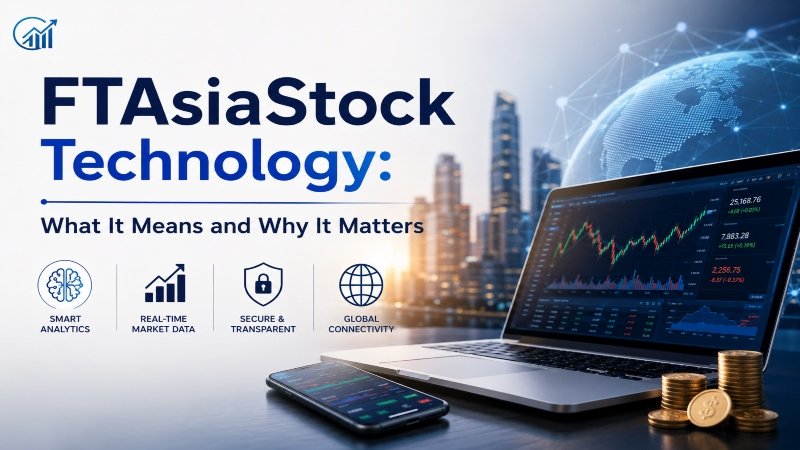
Think of ftasiastock technology less as a single app and more as a connected system. It gathers financial data, runs it through analytics, and hands users something they can actually act on.
Stock prices, trading volumes, economic indicators – all of it flows in from different corners of the market. The system’s job is to make sense of the mess.
That’s the whole point, really: turning scattered numbers into something a trader can glance at and understand in five seconds. This matters whether someone’s watching Asian equities, crypto, or both.
The Tech That Makes It Work
A few different technologies do the heavy lifting here. None of them work alone — they layer on top of each other.
AI and machine learning
Almost every serious financial tool leans on AI these days, and this space is no exception. Algorithms comb through massive datasets looking for patterns most people would never catch by eye.
Machine learning takes it further, using past behavior to guess what might happen next. Traders lean on these forecasts to decide when to move.
Blockchain
Blockchain brings something different to the table: trust. Once data sits on a blockchain, it’s tough to alter quietly, which matters a lot in finance.
Cross-border payments and crypto tracking especially benefit here, since parties on opposite sides of the world don’t always have an easy way to verify each other’s numbers otherwise.
Cloud computing
Cloud infrastructure means the whole system can scale without anyone buying a warehouse of servers. Data pours in from multiple markets and gets processed centrally.
A user checking their dashboard from a phone in Manila and someone doing the same from a laptop in London get the same real-time view.
Big data analytics
Markets throw off staggering amounts of data every second. Big data tools filter through the noise and surface what actually matters, price shifts, volume spikes, even shifts in public sentiment toward a stock or coin.
How It Actually Works, Step by Step
Here’s roughly how the pieces fit together in practice.
Data comes in first, pulled from exchanges, crypto markets, news feeds, company filings, whatever’s relevant. Raw and messy, at this stage.
Next, algorithms clean it up. Unstructured noise turns into something organized enough to actually display on a screen.
From there, the system builds insights out of the data: charts, trend alerts, forecasts. This is the part users actually see and interact with.
Finally, it all reaches the user through an app, a website, or a push notification. Speed matters here — a five-minute delay can mean a missed opportunity in a fast market.
Why This Matters if You’re Investing
Markets don’t wait around, and old information can cost real money. Real-time data gives traders a real edge over anyone working off yesterday’s numbers.
Predictive tools also shift the mindset from reacting to planning. Catching a trend early, even by a day or two, often separates a good trade from a bad one.
For anyone juggling both Asian stocks and global crypto, having one unified view beats switching between five separate apps all day. It’s a small thing, but it adds up.
And this isn’t just for hedge funds anymore. Tools that used to sit behind institutional paywalls are increasingly available to regular retail investors too.
Beyond Finance: Where Else This Shows Up
Finance gets most of the spotlight, but the underlying approach shows up elsewhere too. Retail, logistics, and manufacturing all use similar data models under the hood.
Predictive maintenance on a factory floor, for instance, runs on the same pattern-recognition logic used to forecast stock trends. Supply chain tracking leans on the same blockchain transparency that crypto traders depend on.
That overlap says something important: this isn’t just a finance trend dressed up in new language. It’s part of a much bigger shift toward letting data drive decisions across entire industries.
The Rough Edges Worth Knowing
Nothing here is flawless, and it’s worth being upfront about that. Data accuracy is a genuine concern when information gets pulled from dozens of sources at once.
Security is another sore spot. Any platform handling financial data becomes an attractive target, so the safeguards behind the scenes really do matter.
There’s also a transparency question around some of these platforms themselves. A few blend straightforward data reporting with editorial commentary, so it’s worth checking sources carefully before treating anything as investment advice.
Getting Started Without Getting Burned
Ease into it. Reading through a handful of market reports before making a real trade helps build a feel for how the data actually gets presented.
Cross-checking with other trusted sources is smart, too — no single tool, however impressive its algorithm may sound, should be the last word on a financial decision.
And keep an eye on how things evolve. Fintech doesn’t sit still; the feature set that looks cutting-edge today might feel dated within a year.
Final Thoughts
Ftasiastock technology captures a broader shift in how financial data gets gathered, processed, and put in front of everyday investors. AI, blockchain, cloud computing, and big data analytics all play a part in making that possible.
Whether you’re a seasoned trader or just starting to poke around digital finance, understanding tools like this helps you make sense of a market that never really slows down. As always, a bit of skepticism paired with genuine curiosity goes a long way.
See Also: Digitalrgs Everything Apple: A Smart Guide for Apple Fans

Malik Bilal is a business strategist and Editor at Outstanders, specializing in business, technology, health, and general-interest content. With more than 4 years of experience in business and technology writing, he creates insightful, research-backed articles designed to educate, inform, and inspire readers. His expertise lies in breaking down complex topics into clear, actionable content while maintaining high editorial standards, accuracy, and trustworthiness.