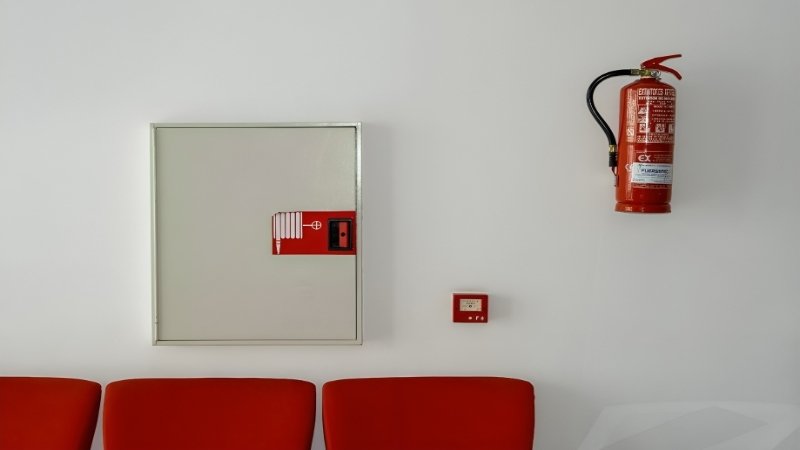
Most business owners barely think about fire safety until somebody suddenly asks where the extinguisher is, and nobody answers confidently. That awkward silence usually says enough. A lot of workplace risks stay ignored for years because nothing bad has happened yet. Then one inspection or minor incident exposes how unprepared the business actually is.
Workplaces changed, too. Offices use more equipment, storage areas get overcrowded, and safety expectations became stricter from insurers, regulators, and employees alike. Fire safety is no longer treated like a simple maintenance task sitting in the background. For many businesses now, it has become part of larger risk management and daily operational responsibility.
Why Businesses Started Treating Fire Safety More Seriously
A lot of companies used to handle fire safety reactively. An inspection happened, a few forms got updated, maybe some signage was replaced, and then the issue disappeared from discussion again for another year. That approach became harder to maintain because workplaces themselves grew more complex over time.
Modern businesses operate with more technology, more electrical systems, and often fewer fully dedicated facilities staff managing daily risks behind the scenes. Hybrid work added another layer, too. Offices now open and close differently throughout the week, which changes how spaces are monitored and maintained. Even smaller businesses began to realise that basic safety planning could not rely entirely on outdated routines anymore.
That shift pushed many employers toward external support because keeping up with regulations, inspections, and documentation takes consistent attention, and most small and mid-sized companies do not always have the resources internally. This is why companies explore external options like Avensure’s fire safety compliance services.
Businesses today increasingly want structured systems that reduce confusion instead of relying on scattered paperwork or assumptions. Most employers are not trying to become fire safety experts themselves. They just want reliable processes that hold up properly when needed.
Small Risks Usually Become Larger Problems Quietly
One reason fire safety entered broader risk management conversations is that many workplace hazards develop gradually instead of dramatically. Faulty wiring, overloaded sockets, blocked exits, damaged alarms, and poor storage practices. These things build up slowly in busy workplaces where employees already juggle too many responsibilities at once.
People also become used to familiar environments very quickly. Staff stop noticing hazards they walk past every day because the workplace feels normal to them. That is part of the problem. Routine makes small issues easier to ignore until somebody outside the business points them out directly.
Contractors and inspectors see this constantly. Fire doors propped open because they are inconvenient. Storage stacked near exits because there was nowhere else to place it temporarily. Extension leads running across rooms longer than they probably should. None of these situations usually begins with reckless intent. Most happen because daily operations slowly push safety checks lower down the priority list. Then, eventually, one inspection, insurance review, or incident forces the business to address everything at once. Usually, under pressure and at a higher cost than earlier prevention would have required.
Reputation Became Part of the Risk
Fire safety matters financially, obviously, but businesses also think more about reputation now than they did years ago. Workplace incidents spread quickly online. Employees talk publicly about working conditions. Customers pay attention to how companies respond during emergencies or compliance failures.
That visibility changed how employers approach risk management generally. Safety problems are no longer viewed only as internal operational issues. They affect trust, hiring, staff retention, and public perception, too. Businesses learned this lesson repeatedly across different industries after incidents gained widespread attention through news coverage and social media discussion.
Employees also expect stronger workplace protections now. Younger workers, especially, tend to ask more questions about safety procedures and company responsibility compared to previous generations. They want employers who appear organised and proactive rather than reactive only after problems appear.
Insurance providers also contributed to this shift. Businesses with poor documentation or inconsistent safety practices often face more scrutiny during claims or policy reviews. Risk management became tied more closely to operational stability overall, not just legal compliance alone.
Documentation Became More Important Than Many Expected
One thing many businesses underestimated initially was how much documentation matters during safety reviews or investigations. Having policies technically written down is not always enough anymore. Regulators and insurers increasingly expect businesses to demonstrate that procedures are actually followed consistently in practice. This broader focus on compliance has also increased interest in legal and regulatory research across different business areas, including tax equity research and workplace accountability.
That creates challenges for smaller companies because owners already manage staffing, scheduling, customer service, finances, and operational pressures daily. Safety documentation often becomes something people plan to organise “later,” which usually means after a problem has already happened.
Modern fire risk assessments also tend to look beyond obvious physical hazards alone. Training records, maintenance schedules, evacuation planning, reporting systems, and communication procedures all become part of the broader picture now. Businesses are expected to show not only that equipment exists, but that employees understand how to respond during emergencies, too.
That level of detail feels frustrating sometimes for employers already stretched thin operationally. Still, the reasoning behind it makes sense. Poor planning tends to reveal itself quickly during emergencies because confusion spreads faster when nobody fully understands procedures beforehand.
Prevention Became More Practical Than Recovery
Many businesses started viewing fire safety differently once they recognised how disruptive recovery becomes after even smaller incidents. Operational downtime, damaged inventory, interrupted client relationships, insurance complications, and temporary closures. The financial impact extends well beyond the immediate physical damage itself.
This became especially important for smaller companies operating with tighter margins. A large corporation might absorb a temporary disruption more easily. Smaller businesses often cannot. One serious incident can affect staffing, customer confidence, and long-term stability all at once.
That reality changed the tone of safety discussions. Prevention stopped sounding like unnecessary bureaucracy and started looking more like basic operational protection. Business owners may still dislike paperwork, inspections, and compliance reviews, but many now recognise that those systems reduce larger risks later.
Technology also plays a role now. Automated alarms, monitoring systems, digital compliance tracking, and maintenance reminders improved how businesses manage safety overall. Still, technology alone does not solve much if workplace culture treats safety as an afterthought. Procedures only work when people consistently follow them.
That is probably why fire safety became tied so closely to modern risk management conversations. Businesses are not only protecting buildings anymore. They are protecting operations, employees, reputation, customer trust, and the ability to keep functioning normally after unexpected problems appear. Quietly, that changed how employers think about safety altogether.

Malik Bilal is a business strategist and Editor at Outstanders, specializing in business, technology, health, and general-interest content. With more than 4 years of experience in business and technology writing, he creates insightful, research-backed articles designed to educate, inform, and inspire readers. His expertise lies in breaking down complex topics into clear, actionable content while maintaining high editorial standards, accuracy, and trustworthiness.