
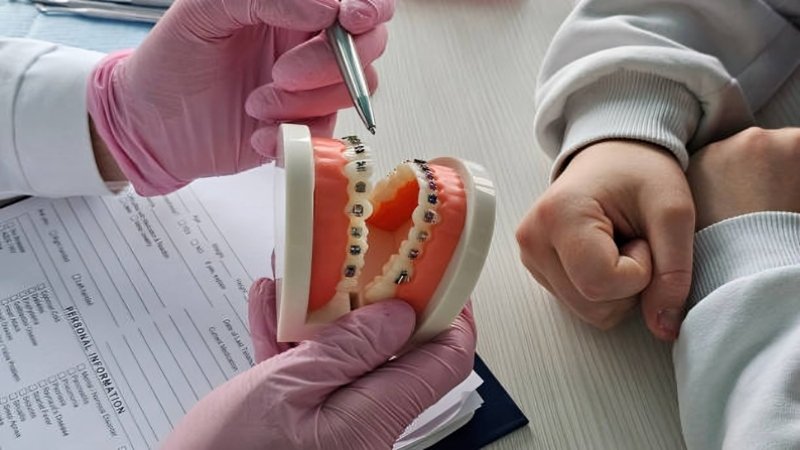
Orthodontic treatment can feel like a big decision because it touches cost, comfort, appearance, and daily routine all at once. You do not need to understand every dental term before your first visit, and you do not need to decide on the spot. A better starting point is knowing which questions will help you compare options with less stress. Use this guide as a simple checklist before you commit to braces, aligners, retainers, or any long-term plan.
This covers:
- treatment options and suitability
- daily routine and visibility
- costs, cleaning, and follow-up care
Start With Why Treatment Is Being Recommended
The reason for treatment should guide every next question. Orthodontics is not only about appearance; orthodontic treatment can straighten teeth and correct bite problems, and it may also relate to crowding, gaps, cleaning, jaw comfort, or chewing. When you know the main reason, the rest of the conversation becomes clearer and less rushed.
Ask your dentist or orthodontist what problem is being solved and what a realistic result looks like. “Straighter teeth” is helpful, but it is still broad, especially if the real issue is bite pressure, cleaning difficulty, or long-term wear. You should also ask whether delaying treatment could make the issue harder to manage later.
Questions to bring:
- What issue are we correcting?
- Is this cosmetic, functional, or both?
- What are the risks of waiting?
- What result is realistic?
- How will we know the treatment is working?
Compare Braces, Aligners, And Retainers Clearly
Each option works differently in your daily routine. Braces are fixed to the teeth and adjusted over time, while clear aligners are removable trays made to move teeth gradually. The Australian Dental Association explains that teeth straightening options include braces and clear aligners, but the right choice depends on the person. Retainers are different again, because they usually come later and help teeth stay in position after active treatment.
Do not choose an option only because it sounds easier or looks less obvious. Ask why a provider recommends one method for your teeth, bite, and habits. A removable option may feel convenient, but it also requires discipline, storage, and careful cleaning.
Compare the daily impact:
- fixed or removable appliance
- eating and drinking rules
- cleaning routine
- check-up schedule
- retainer expectations
Ask How Treatment Will Affect Normal Days
The best plan must fit ordinary daily life. Treatment can affect meals, brushing, speaking, appointments, travel, school, work, and social moments. These details sound small, but they often decide whether the routine feels manageable after the first week.
Visibility is one of the most common concerns, especially for adults in meetings, photos, or social settings. If this is on your mind, read more about whether clear aligners are noticeable before your consultation so you can ask better questions. Clear does not mean invisible, and every mouth is different. Still, understanding what people may actually notice can reduce unnecessary worry and make the first days feel less awkward.
Useful daily-life questions include:
- Will I need to change what I eat?
- How often should I clean my teeth or aligners?
- How visible will the appliance be?
- What should I do before events or photos?
- Will speech feel different at the start?
Understand Costs, Timing, And Follow-Up Care
Clear expectations prevent stress after treatment begins. Costs can vary because every case, treatment type, provider, scan, adjustment, and follow-up plan is different. Ask for a written breakdown instead of relying on one headline number. This is the same kind of guidance that helps people act without overwhelm: slow down, collect details, and compare what is actually included.
Timing also needs context. A short estimate may not include refinements, missed appointments, broken parts, retainer fitting, or review visits after active movement ends. You should know who monitors progress, how often check-ups happen, and what changes if treatment takes longer than expected. It is also worth asking how emergencies are handled, such as a lost aligner, loose bracket, or broken retainer.
Questions to take to the appointment:
- What is included in the quoted price?
- How long is the estimated treatment?
- How often are check-ups?
- What happens if treatment takes longer?
- What retainer plan is included?
- Who do I contact if something breaks?
Look At Cleaning, Comfort, And Realistic Risks
Good daily care protects the value of treatment. Braces can make it easier for food and plaque to sit around brackets, while aligners need their own cleaning routine. Public health guidance also stresses cleaning well during orthodontic treatment, because poor habits can affect teeth and gums. Ask what supplies you should keep at home, at work, or in your bag, especially if your days are busy.
Some pressure or tenderness can happen when teeth start moving, but ongoing pain, sharp edges, or sores should not be ignored. Your provider can explain what is expected and what needs a call. The goal is not to tough it out; it is to follow the plan safely and keep small problems from becoming bigger ones.
Care reminders:
- Keep cleaning supplies nearby
- Follow appliance instructions
- Ask before using whitening products
- Report sharp edges or unexpected pain
Choose A Plan You Can Actually Follow
Consistency matters more than choosing the trendiest option. A treatment plan may look simple on paper, but your real habits matter: snack frequency, cleaning routine, appointment availability, and whether you can follow wear-time instructions. Thinking honestly about these details supports balanced health choices for daily life.
Avoid pressure-based decisions. Do not choose only on looks, price, or what worked for someone else. Choose a supervised plan you understand, with clear support if something changes. The best choice is usually the one that fits your health needs and your everyday behavior.
A good-fit plan means:
- You understand the treatment goal
- You know the daily rules
- You know who to call
- You understand cost and timing
- You know the retainer plan
Conclusion
Good orthodontic decisions start with clear questions, not perfect knowledge. Before choosing braces, aligners, or any other plan, compare suitability, routine, cost, care, and follow-up support. Then speak with a qualified dental professional and choose the option you can follow consistently.

Malik Bilal is a business strategist and Editor at Outstanders, specializing in business, technology, health, and general-interest content. With more than 4 years of experience in business and technology writing, he creates insightful, research-backed articles designed to educate, inform, and inspire readers. His expertise lies in breaking down complex topics into clear, actionable content while maintaining high editorial standards, accuracy, and trustworthiness.