
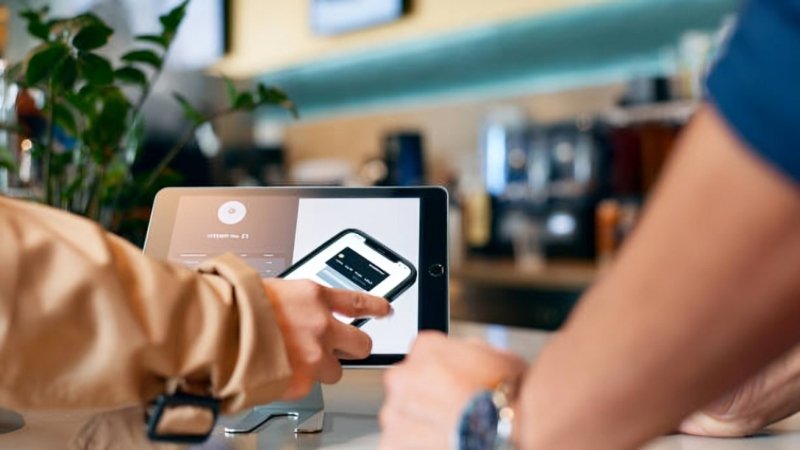
The Checkout Counter Has Become a Strategic Asset
For decades, the point of sale was treated as a transactional endpoint — the final step before a customer walked out the door. Retailers invested heavily in product selection, store layout, and marketing, but the checkout process itself was largely an afterthought. That mindset is rapidly becoming obsolete. In 2025, forward-thinking businesses are recognizing that the moment of payment is not the end of the customer journey — it is one of its most defining chapters. How a customer feels during and immediately after a purchase shapes their likelihood of returning, their willingness to recommend the brand, and their overall perception of the business. The POS experience, in other words, is no longer just about processing transactions. It is about building relationships.
What Has Changed in the Retail Landscape
Consumer expectations have shifted dramatically over the past several years. The rise of e-commerce set a new standard for speed, personalization, and convenience. Shoppers who are accustomed to one-click purchases and instant order confirmations now bring those same expectations into physical stores. They want frictionless payment options, accurate inventory information, and staff who can access their purchase history without fumbling through paper records. Businesses that fail to meet these expectations at the point of sale risk losing customers to competitors who have invested in smarter, more integrated systems.
At the same time, the operational complexity of running a retail business has grown considerably. Managing multiple sales channels, tracking inventory across locations, handling returns efficiently, and maintaining compliance with tax regulations all place significant demands on business owners. A modern point-of-sale system must do far more than accept payments — it must serve as the operational backbone of the entire business.
The Intersection of Technology and Human Touch
One of the most important nuances in this conversation is that technology alone does not create a great customer experience. The best POS implementations combine powerful software with thoughtful staff training and intentional store design. A sleek tablet-based system means little if the employee using it is undertrained or disengaged. Conversely, a motivated and knowledgeable team can only do so much if they are working with outdated tools that slow them down. The most successful retailers understand that hardware, software, and human behavior must all be aligned to deliver a checkout experience that feels effortless.
Risk Management and Operational Resilience at the Point of Sale
Retail businesses face a wide range of operational risks, and many of them converge at the point of sale. Payment fraud, data breaches, system outages, and even physical security concerns can all disrupt the checkout process and damage customer trust. Smart business owners are increasingly approaching POS management through a risk management lens, ensuring that their systems are not only efficient but also resilient. This includes regular software updates, encrypted payment processing, staff training on fraud detection, and contingency plans for system failures. Just as businesses must consider fire safety and broader risk management strategies to protect their physical assets and people, they must apply the same level of diligence to their digital and transactional infrastructure.
Data Security and Customer Trust
Customers who hand over their payment information at checkout are placing a degree of trust in the business. That trust is fragile. A single data breach or payment processing error can permanently damage a brand’s reputation. Modern POS systems address this by incorporating end-to-end encryption, tokenization, and compliance with PCI DSS standards. But beyond the technical safeguards, businesses must also cultivate a culture of data responsibility — ensuring that every team member understands the importance of protecting customer information and knows how to respond if something goes wrong.
Understanding the Full Scope of the POS Experience
Understanding POS Experience goes well beyond knowing how to operate a cash register or process a credit card. It encompasses the entire ecosystem of tools, processes, and interactions that occur at the moment of sale — from the speed of the transaction to the quality of the receipt, from the accuracy of the inventory system to the ease of processing a return. Retailers who invest time in truly understanding this ecosystem are better positioned to identify friction points, train their staff effectively, and select technology solutions that align with their specific business needs.
Omnichannel Integration as a Competitive Advantage
One of the most significant developments in retail POS technology is the push toward omnichannel integration. Customers today move fluidly between online and offline shopping, and they expect a consistent experience regardless of where they make a purchase. A customer who buys a product online should be able to return it in-store without friction. A loyalty program should recognize a customer whether they shop via app, website, or physical location. Achieving this level of integration requires a POS system that communicates seamlessly with e-commerce platforms, inventory management tools, and customer relationship management software.
The Role of Agentic Commerce in Shaping Future POS Strategies
Looking ahead, the retail industry is beginning to grapple with the implications of agentic commerce — a model in which AI-driven agents make purchasing decisions on behalf of consumers. This shift has profound implications for how businesses design their checkout experiences. If AI agents are initiating transactions, the traditional human-facing POS interface becomes only one part of a much larger picture. Retailers must begin thinking about how their systems will interact with automated buyers, how they will maintain personalization at scale, and how they will ensure that the values of their brand are communicated even when no human customer is present at the point of sale. For a deeper look at how this trend is unfolding, this comprehensive guide to agentic commerce offers valuable strategic insight for retailers preparing for the next wave of digital transformation.
Shopline: A Platform Built for the Modern Retail Reality
Shopline has established itself as a comprehensive commerce platform designed to meet the demands of today’s complex retail environment. With tools that span online store creation, inventory management, customer engagement, and point-of-sale operations, Shopline gives merchants the infrastructure they need to deliver consistent, high-quality experiences across every channel. The platform is particularly well-suited for businesses that are scaling rapidly or managing multiple locations, offering the flexibility and integration capabilities that growing retailers require. Shopline’s approach to POS is grounded in the belief that technology should simplify operations without sacrificing the personal touch that keeps customers coming back.
Conclusion: The POS Experience as a Brand Statement
Every interaction a customer has with a business contributes to their overall perception of that brand. The checkout experience, for all its apparent simplicity, carries enormous weight. It is the moment when a customer commits financially to a purchase, and how that moment is handled — whether it feels smooth or clunky, warm or impersonal, trustworthy or uncertain — leaves a lasting impression. Retailers who treat the POS experience as a strategic priority, rather than a logistical necessity, are the ones who will build the kind of customer loyalty that sustains long-term growth. In a competitive market where margins are tight and customer attention is scarce, the point of sale may well be the most important place to invest.

Malik Bilal is a business strategist and Editor at Outstanders, specializing in business, technology, health, and general-interest content. With more than 4 years of experience in business and technology writing, he creates insightful, research-backed articles designed to educate, inform, and inspire readers. His expertise lies in breaking down complex topics into clear, actionable content while maintaining high editorial standards, accuracy, and trustworthiness.